During Stroke Awareness Month in May, Intermountain Health stroke experts say every minute without treatment can increase the risk of permanent brain injury.
(PRUnderground) May 19th, 2026
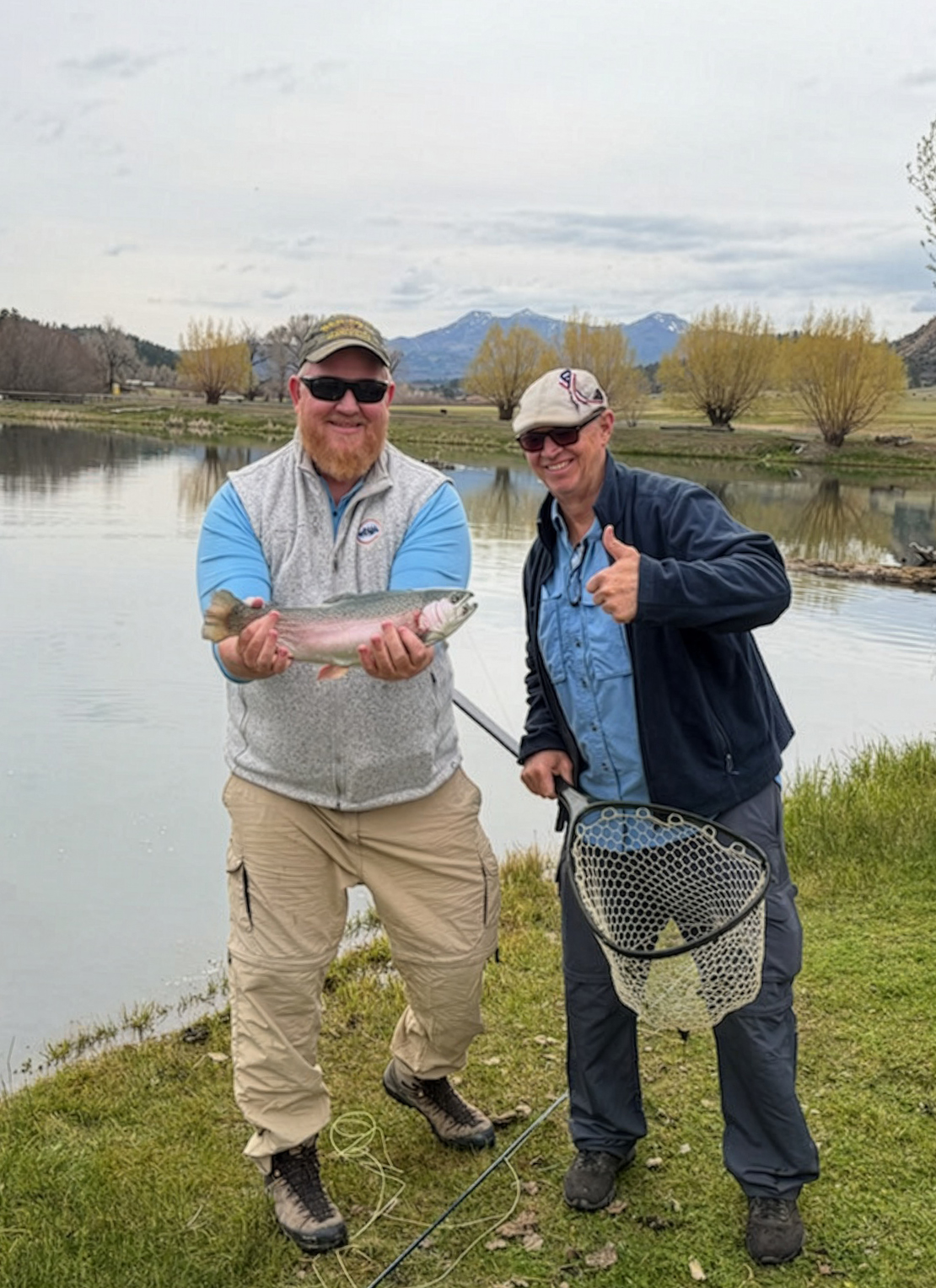
It felt like an ordinary morning when Stephen Cote woke up for work two years ago, until it wasn’t.
“All of a sudden, things didn’t work right,” Cote said. “My arm, my speech, everything was off.”
Cote was having a stroke.
His wife, who has experience in emergency medical services, recognized the warning signs and called 911 immediately.
“I don’t remember everything clearly,” Cote said. “But she knew right away something was wrong.”
Jessica Telesco, stroke coordinator and nurse practitioner at Intermountain Health, said that quick response likely saved his life and helped limit the stroke’s long-term effects.
During Stroke Awareness Month in May, Intermountain Health stroke experts say every minute without treatment can increase the risk of permanent brain injury.
“Time is brain,” Telesco said. “The faster we identify a stroke and get a patient to the hospital, the more brain function we can preserve and the better the chance of recovery.”
An ambulance took Cote to Intermountain Health Lutheran Hospital in Wheat Ridge, Colorado, where he was treated before beginning intensive rehabilitation.
After returning home, he continued therapy to rebuild strength, mobility, and independence.
“It was definitely one of the hardest things I’ve ever been through,” he said.
Cote, who previously served in the military, said recovery required persistence, patience, and consistency.
He said every stroke is different, but progress comes through steady effort, support, and continued care.
“Your stroke might not be the same as someone else’s,” Cote said. “But overcoming the deficits is about the work you put into it.”
Telesco said recognizing the warning signs of a stroke is just as important as recovery. Sudden face drooping, arm weakness, speech difficulty, vision problems, and loss of balance can all be signs.
The acronym BE FAST — Balance, Eyes, Face, Arm, Speech, and Time, is commonly used to help people identify symptoms and respond quickly.
“If you notice any of those signs, don’t wait to see if they go away,” Telesco said. “Calling 911 right away can save a life.”
Today, Cote spends time supporting other stroke survivors, using his own experience to encourage people as they navigate recovery.
“I know some people slip through the cracks,” he said. “They weren’t always getting the care they needed.”
As a volunteer, Cote checks in with patients after they have gone home from the hospital to ask about their recovery and whether they have returned to their daily activities.
He also helps connect them with therapy services and community resources when needed.
The work is personal for Cote. He understands the long road to recovery and the challenges that can come with it.
One of his proudest milestones has been returning to the mountains. An avid skier before his stroke, Cote recently made it back onto the slopes.
“That was huge,” he said. “Getting back out there meant everything.”
Stroke remains one of the leading causes of death and disability in the United States, but many cases can be prevented by managing blood pressure, maintaining a healthy lifestyle, and getting regular medical care.
When a stroke does happen, early recognition and fast treatment can make a meaningful difference in recovery.
For Cote and his family, that quick decision made all the difference.
“If we had waited,” he said, “I don’t know where I’d be today.”
About Intermountain Health
Headquartered in Utah with locations in six states and additional operations across the western U.S., Intermountain Health is a nonprofit system of 34 hospitals, approximately 400 clinics, medical groups with some 4,600 employed physicians and advanced care providers, a nonprofit health plan called Select Health with more than one million members, and other health services. Helping people live the healthiest lives possible, Intermountain is committed to improving community health and is widely recognized as a leader in transforming healthcare by using evidence-based best practices to consistently deliver high-quality outcomes at sustainable costs. For up-to-date information and announcements, please see the Intermountain Health newsroom at https://news.intermountainhealth.org/. For more information, see intermountainhealth.org/ or call 801-442-2000.
The post Intermountain Health Says Colorado Stroke Survivor’s Recovery Shows Need to BE FAST first appeared on
Original Press Release.


